Drive tourism is the important part of Saudi Arabia's Vision 2030 project, which will help in reducing the country's dependence on oil, diversify the economy and promote the country's national identity. Saudi Arabia already attracts more than two million visitors for the annual Hajj pilgrimage, according to government statistic.
The chairman of the Saudi Commission for Tourism and National Heritage Ahmad Al-Khateeb, called the move a "historic moment for our country. "He mentioned "Generous hospitality is at the heart of Arabian culture and we look forward to showing our guests a very warm welcome," .We have made list of five tourist spot to be visit:
1. The ruins of Al Ula
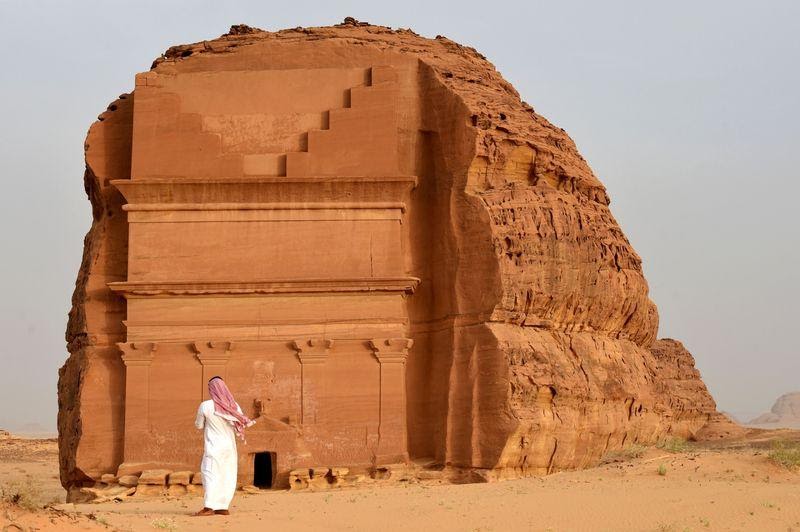
Al Ula is the famous destination in Saudi Arabia for a reason. It is the stunning area in the kingdoms northwest. Scattered with golden rock formations, lush citrus farms and with the remains of several ancient kingdoms. It is the most famous ruins, Mada’in Saleh, contain clusters of 2,000-year-old Nabatean tombs.The Ruins of Al Ula is recently opened for international tourists.They are hosting concerts winter at Tantora Festival with Hot air ballons like cappadicia.
2) Saudi Arabia’s ‘Maldives’

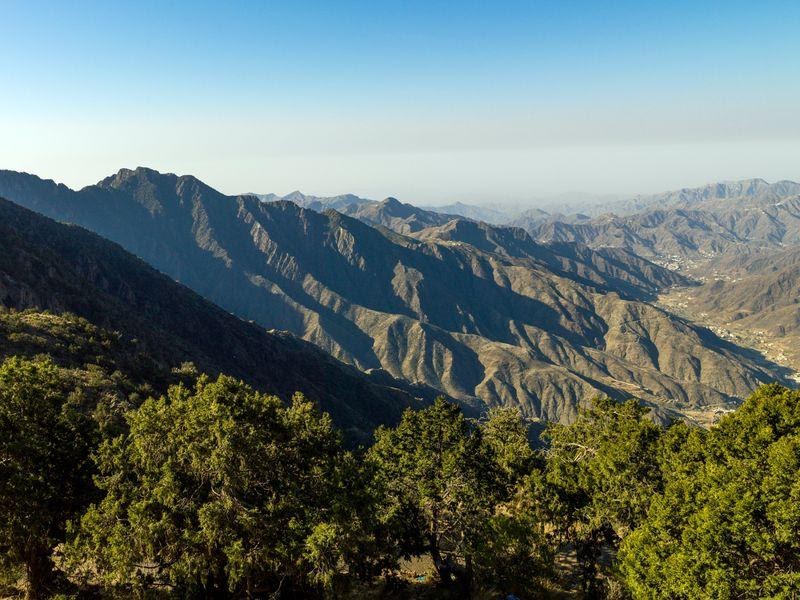
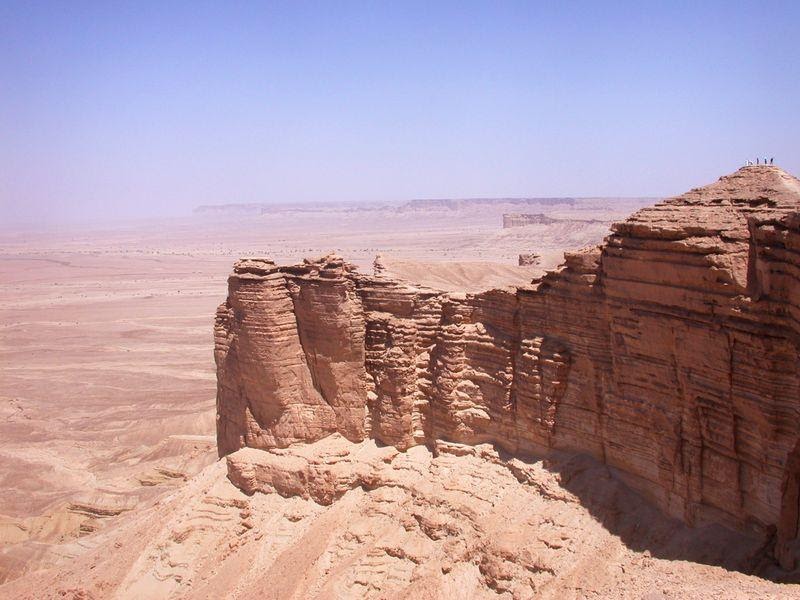
Beyond that, Riyadh is worth a stop just to see “Edge of the World,” the towering plateau two hours from the city that’s a favourite weekend hiking spot for residents. The views stretch endlessly in every direction and the silence is awe-inspiring.
5. Land of the future
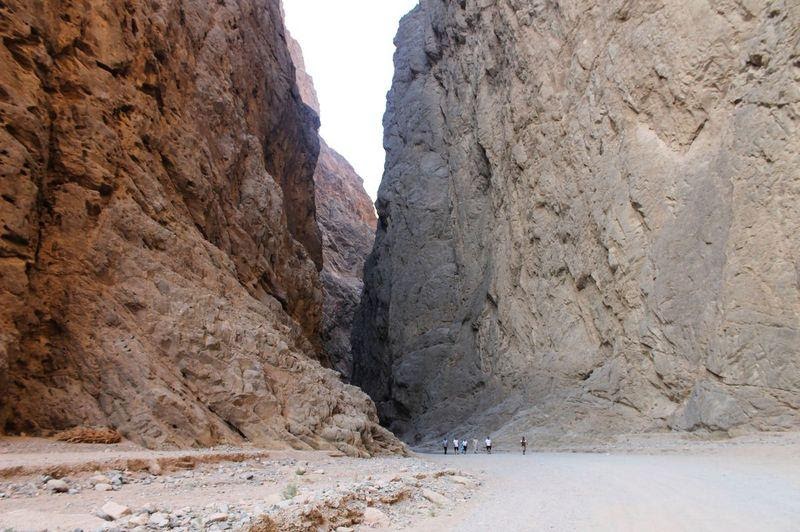
Crown Prince Mohammed bin Salman wants to turn the north-western corner of his kingdom into a $500 billion futuristic mega-project called “Neom.” Analysts and investors are skeptical about its viability, but the area part of the region of Tabuk -- is full of natural wonders beloved by domestic tourists, and officials are hatching plans to cater to adventure-lovers.
Among the sites worth visiting is Wadi Tayib Ism, a narrow valley between two cliffs where local residents believe Moses landed when he crossed over the sea from Egypt. The area also boasts excellent Red Sea diving. The towns are rudimentary and hotel and restaurant options are limited, though residents are welcoming to visitors.


