A career in Pilates can offer a rewarding way to work with people, teach movement and continue developing professionally. For anyone considering becoming an instructor, the path involves more than completing a course. Choosing suitable training, gaining practical teaching experience and finding the right work environment can all shape your long-term career. From studio-based roles to private instruction and specialist areas, there are several ways to build a career that matches your skills and professional goals.
Start With the Right Pilates Instructor Training
The first step towards becoming a Pilates instructor is finding training that gives you a strong foundation in Pilates principles, movement techniques and safe teaching practices. Training options can range from mat Pilates courses to more comprehensive programmes that include reformer and other equipment.
Mat training can be a useful starting point for beginners, while reformer training may open up additional teaching opportunities. When comparing programmes, look at the curriculum, practical teaching requirements, assessment process and certification standards rather than choosing a course based on price alone.
The right Pilates instructor training should give you opportunities to practise teaching, observe experienced instructors and receive feedback. Practical experience is particularly valuable once you begin working with real clients.
Build the Professional Skills Clients Expect
A good Pilates instructor needs more than technical knowledge. Communication is a major part of the job. Clients need clear explanations, useful demonstrations and appropriate corrections so they can perform exercises safely and confidently.
Observation skills matter too. Instructors work with people who have different fitness levels, movement patterns and goals, so sessions often need to be adapted. A beginner may need simpler exercises and more guidance, while an experienced client may be ready for greater challenges.
Professionalism, patience and the ability to create a comfortable class environment can influence whether clients return. Continuing professional education can help instructors keep developing their knowledge and expand the types of clients they can confidently support.
Develop Your Career Beyond Your First Instructor Role
Once you have experience as a Pilates instructor, further training can help you develop a specialisation. Possible areas include reformer Pilates, prenatal and postnatal instruction, Pilates for older adults, athletic training and rehabilitation-focused work.
Specialist training should match the type of clients you want to serve and the scope of your qualifications. Building experience gradually can make it easier to identify which areas suit your interests and strengths.
Career development can happen through additional certifications, workshops, mentoring and regular teaching. Some instructors eventually move into senior teaching positions, private practice or management roles within a studio.
Choose a Work Environment That Fits Your Career Goals
New Pilates instructors can find work in dedicated Pilates studios, gyms, wellness centres and other fitness facilities. Some start with group classes before moving into private sessions, while others combine several types of work.
Working for a studio or gym can provide access to established clients and a structured schedule. Freelance or private instruction can offer more control over working hours, session formats and pricing, but it usually requires instructors to take greater responsibility for finding and retaining clients.
There’s no single best employment model. The right choice depends on your experience, financial goals, preferred schedule and willingness to manage the business side of instruction.
Understand the Importance of the Pilates Environment
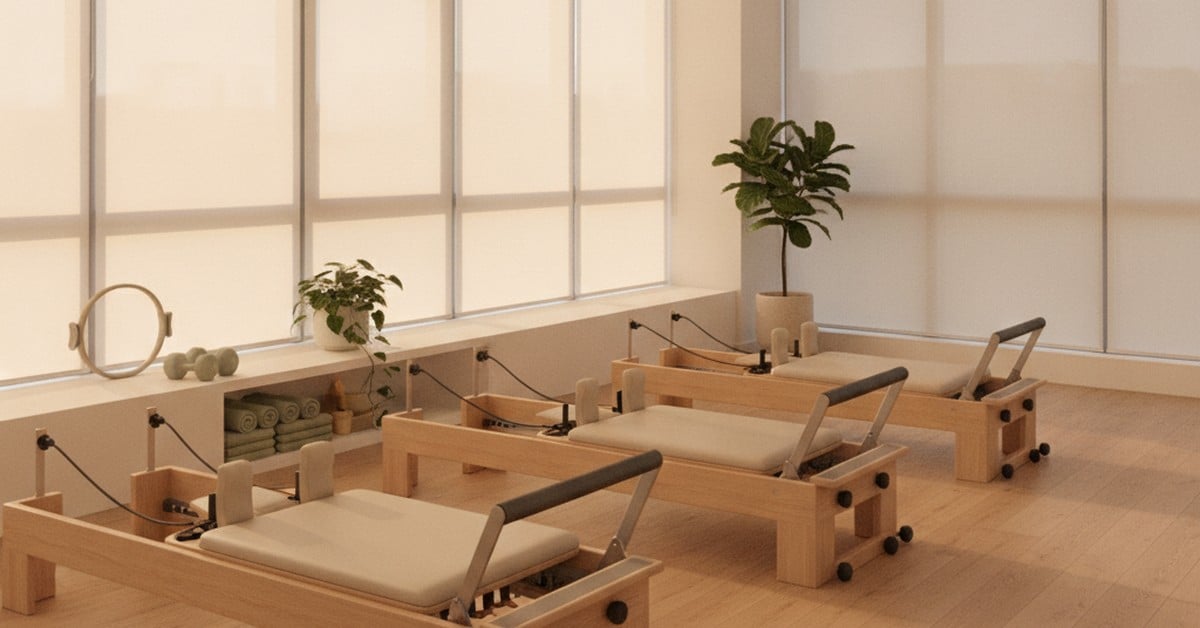
A successful Pilates practice involves more than qualified instructors and well-structured sessions. Whether it’s in the gym or studio, the environment can affect how comfortable and focused clients feel, making factors such as space, natural light and privacy worth considering.
Thoughtful window treatments can help control light and create a more comfortable atmosphere for students, while complementing the studio's overall design. Interior solutions can help create polished, welcoming spaces for wellness and movement.
Build a Sustainable Pilates Career
A long-term career as a Pilates instructor involves more than filling classes. Building trust with clients, maintaining professional standards and continuing to improve your teaching can help create a stable client base.
For instructors working independently, business skills become increasingly useful. Marketing, scheduling, pricing, client communication and insurance can all form part of running a freelance practice. Studio owners face additional responsibilities such as staffing, equipment costs and day-to-day operations.
The most suitable career path will depend on your personal goals. Some instructors prefer a regular studio schedule, while others build a portfolio of private clients and freelance classes. With appropriate training and steady professional development, Pilates can offer several routes for building a lasting career.
Conclusion
Building a career in Pilates starts with suitable training and develops through practical experience, professional skills and continued learning. Choosing the right work environment and finding areas that match your interests can help you create a career that is both rewarding and sustainable.