Pilgrims who stayed in Mina on Tuesday night performed the stoning ritual for the fourth consecutive day, throwing pebbles at the three Jamarat on Wednesday afternoon.
Pilgrims hurled seven pebbles each, first at Jamarat Al-Sugra, then at Jamarat Al-Wusta, and finally at Jamarat Al-Aqaba. The ritual took place in a calm and peaceful atmosphere within the sprawling Jamarat Complex, which was manned by security forces, health workers, and volunteers.
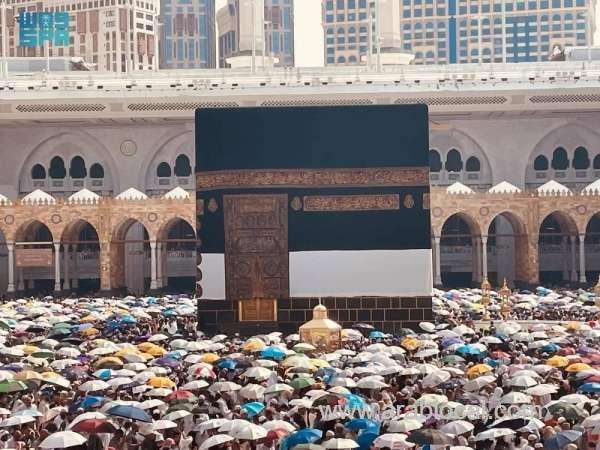
After completing the stoning ritual, pilgrims left Mina for Makkah to perform Tawaf Al-Wida (Farewell Tawaf), marking the end of the hassle-free annual pilgrimage on a joyous and spiritual note. Although Hajj officially concludes on Wednesday, the third day of Tashreeq, many pilgrims hastened to complete it the previous day, leaving Mina before sunset on Tuesday. Following the stoning ritual on Wednesday afternoon, pilgrims returned to their Mina camps, packed their belongings, and boarded buses to Makkah for the Farewell Tawaf.
The pilgrims departed Mina with sweet memories and the fulfillment of a once-in-a-lifetime spiritual journey. They performed the rituals amidst high temperatures, with hundreds of heat stroke cases reported. Saudi health authorities recorded over 2,700 cases of heat exhaustion on Sunday, the first day of stoning.
Meanwhile, the General Authority for the Care of the Affairs of the Two Holy Mosques announced the successful execution of its operational plan for the 2024 Hajj season. This achievement reflects the dedication and tireless efforts of the authority’s personnel who ensured a smooth conduct of the annual pilgrimage. The plan prioritized creating a seamless and comfortable experience for pilgrims.
The plan featured high-quality infrastructure improvements, including advanced cooling systems, enhanced audio-visual systems, and efficient door systems for crowd control. Additionally, services catered to all age groups and those with disabilities, featuring electric vehicles for Tawaf and Sa'i on the Grand Mosque’s rooftop, alongside well-maintained washrooms and ablution facilities.
The authority ensured the constant and effective operation of these services and systems throughout the Hajj period, guaranteeing a faith-filled environment for pilgrims. The focus extended to ensuring the consistent availability of Zamzam water for pilgrims.
Makkah is now witnessing the departure of pilgrims after successfully completing their Hajj rituals. They were transported by buses provided by the General Syndicate of Cars. Departing pilgrims expressed deep gratitude for the exceptional organization and services provided.
Pilgrims offered heartfelt thanks to the Custodian of the Two Holy Mosques, King Salman, and Crown Prince and Prime Minister Mohammed bin Salman for their unwavering support. They were particularly impressed by the exceptional facilities, dedicated services, and warm treatment they received throughout their pilgrimage journey.